

Is your water heater over 10 years old? It might be time for a replacement.
Banging or rumbling sounds could suggest a buildup of sediment.
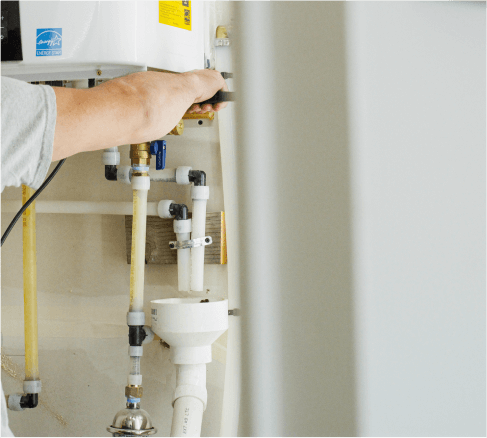
Water around your heater isn’t a good sign and might indicate tank failure.
If your showers are more cold than hot, your heater’s performance may be declining.
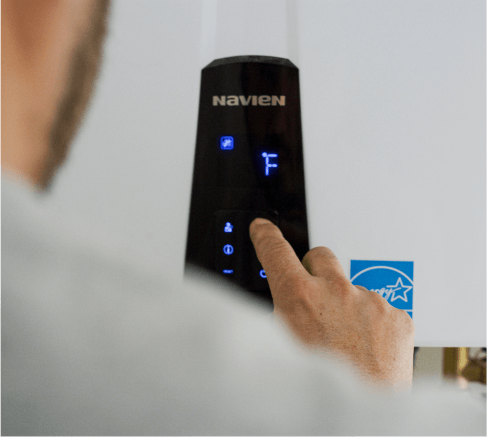
The tankless water heaters enjoy endless hot water on demand. These units are compact, energy-efficient and can reduce your energy bills significantly.
With no need for a bulky tank, tankless water heaters are ideal for homes with limited space. They can be mounted on a wall, freeing up floor space for other uses.
Tankless models heat water on-demand, meaning they only use energy when you need hot water. This can lead to energy savings of up to 30% compared to traditional tank heaters.
Tankless water heaters often have a longer lifespan, sometimes exceeding 20 years with proper maintenance, compared to 10-15 years for tank models
These units tend to be more expensive upfront than their tank counterparts. However, the energy savings over time can help offset this initial investment.
Installation might involve updates to your existing plumbing or electrical systems, which can add to the initial cost and complexity of the installation.
The classic tank water heater is known for its simplicity and lower upfront cost. It’s a tried and true solution that continues to be a popular choice.
Traditional tank water heaters are generally less expensive to purchase and install, making them a budget-friendly option for many households.
With a straightforward design that’s been around for decades, these units are well-understood by most technicians, which can make maintenance and repairs simple and less costly.
Since they keep a large volume of water hot at all times, traditional tank water heaters can be less energy efficient, leading to higher utility bills.
The tank’s size means it will take up more room, which can be a drawback for smaller homes or apartments.
Tankless, traditional tank—each has different pricing.
Larger homes require larger capacity water heaters.
Any additional work, such as retrofitting or upgrades to plumbing, can affect the cost.

If your unit is leaking, over 10 years old, or giving you inconsistent water temperatures, replacement is usually the smarter long term choice over another repair.
Most Tulsa homeowners pay between $2,500 and $4,500 for a full water heater replacement, depending on the type of unit, tank size, and any plumbing or electrical upgrades needed.
A standard tank replacement typically takes 2 to 4 hours, while a tankless water heater installation can take 4 to 8 hours if new gas lines or venting are required.
Tankless units cost more to install but last longer, often 20 years or more, and can lower your monthly energy bills, so many Tulsa homeowners find the investment pays off over time.
Most tank style water heaters last 8 to 12 years, and once a unit passes that range, the risk of leaks and breakdowns rises significantly.
While some homeowners attempt a DIY hot water heater replacement, incorrect installation can lead to leaks, code violations, or safety hazards, so hiring a licensed Tulsa plumber protects your home and your warranty.
Water heater sizing depends on your household’s hot water demand, with larger families or homes with multiple bathrooms typically needing a higher capacity tank or a properly sized tankless unit.
Yes, Hendrick Heat, Air & Plumbing offers same day service 7 days a week, so a failed water heater doesn’t have to mean days without hot water.